
Women Advancing the Science and Protection of Bees

Introduction
Bees are among the most important pollinators in the world. They support biodiversity, healthy ecosystems, and a large portion of the crops that sustain global food systems. Understanding how bees live and how to protect them has required decades of scientific research and environmental advocacy.
Many women have played a crucial role in advancing bee science and pollinator protection. Through research, education, and environmental leadership, they have helped expand our understanding of bees and inspired efforts to protect pollinators around the world.
Why Bees and Pollinators Matter
Pollinators such as bees are responsible for pollinating many plants that provide fruits, vegetables, and seeds. Without pollinators, ecosystems would become less diverse and many food crops would decline.
Scientists studying bees help us understand how environmental factors, pesticides, habitat loss, and climate change affect pollinator populations. Their research supports better beekeeping practices, habitat restoration, and policies designed to protect pollinators.
Women Shaping the Science of Bees
Throughout history, researchers, writers, and environmental advocates have helped expand our understanding of bees and their essential role in ecosystems. Their work has deepened scientific knowledge, raised awareness about environmental challenges, and inspired efforts to protect pollinators around the world.
The women highlighted below represent just a few of the many scientists and thinkers whose contributions continue to shape the science and protection of bees.

Eva Crane (1912–2007)
Eva Crane was one of the most influential researchers in the world of beekeeping. Originally trained as a physicist, she became interested in bees during World War II when her husband received a beehive as part of a wartime program encouraging honey production.
Her curiosity soon grew into a lifelong dedication to the study of bees and beekeeping traditions. In 1949, she founded the Bee Research Association, later known as the International Bee Research Association (IBRA).
Crane traveled to more than sixty countries studying beekeeping practices and documenting the relationship between people and bees across cultures. Her research and publications remain important references for scientists and beekeepers today.

Rachel Carson (1907–1964)
Rachel Carson was a marine biologist and writer whose work helped transform public awareness of environmental protection.
Her landmark book Silent Spring, published in 1962, revealed the harmful effects of widespread pesticide use on birds, insects, and ecosystems. Carson’s work sparked a global environmental movement and led to greater awareness of how chemicals affect pollinators and other wildlife.
Today, her legacy continues to influence environmental science and policies designed to protect biodiversity.

May Berenbaum
May Berenbaum is a distinguished entomologist known for her research on insect ecology, plant-insect interactions, and pollinator health.
As a professor and researcher, she has contributed significantly to our understanding of how insects interact with plants and how pesticides affect pollinator populations. Her work has helped inform both scientific research and public discussion about protecting pollinators.
Beyond research, Berenbaum has also been widely recognized for her efforts in science education and outreach.
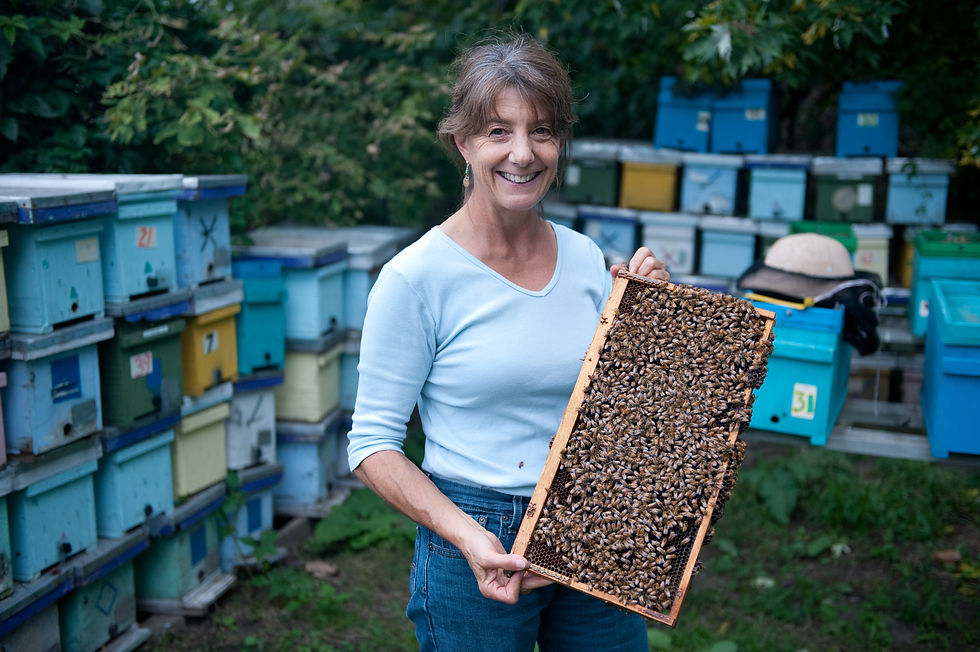
Dr. Marla Spivak
Dr. Marla Spivak is one of the world’s leading researchers in honeybee health and sustainable beekeeping practices.
Her work focuses on understanding the natural behaviors that allow honeybee colonies to resist disease and parasites. Through her research, she has helped identify breeding strategies and management practices that improve the resilience of bee populations.
Spivak’s contributions have played an important role in advancing sustainable approaches to beekeeping and pollinator protection.
Continuing the Work of Protecting Pollinators
The contributions of these scientists remind us how vital bees are to ecosystems and agriculture. Their research, advocacy, and dedication have helped shape modern understanding of pollinators and inspired ongoing efforts to protect them.
Protecting pollinators means protecting biodiversity, food systems, and the delicate balance of nature. The work of researchers, beekeepers, and environmental advocates continues to guide efforts to ensure that bees and the ecosystems they support can thrive for generations to come.
Image Credits
Eva Crane - Wikimedia Commons
Rachel Carson - Wikimedia Commons
May Berenbaum - Wikimedia Commons
Marla Spivak - Photo: John D. and Catherine T. MacArthur Foundation
References
Crane, E. (1999). The World History of Beekeeping and Honey Hunting. Routledge.
Carson, R. (1962). Silent Spring. Houghton Mifflin.
Berenbaum, M. (2015). Buzz: The Nature and Necessity of Bees. Basic Books.
University of Illinois Department of Entomology — May Berenbaum
University of Minnesota Bee Lab — Marla Spivak
International Bee Research Association
Eva Crane Trust
Comments