
August in Ontario: Robbing, Wasps & Hive Health

By late summer, the apiary starts to shift. Warm days and busy entrances may still feel like peak season, but the work around the hive begins to change.
The main priorities are simple: watch the entrance, protect the colony, and keep good records. As nectar slows, robbing pressure can increase, wasps may become more persistent, and weaker colonies can become easier targets.
August does not always require deep inspections, but it does reward careful observation.
Robbing and Wasps: Watch the Entrance
A busy entrance is not always a good sign. Normal foraging looks steady and purposeful. Robbing looks rushed and chaotic, with bees fighting, searching around cracks, or trying to force their way into a weaker hive.
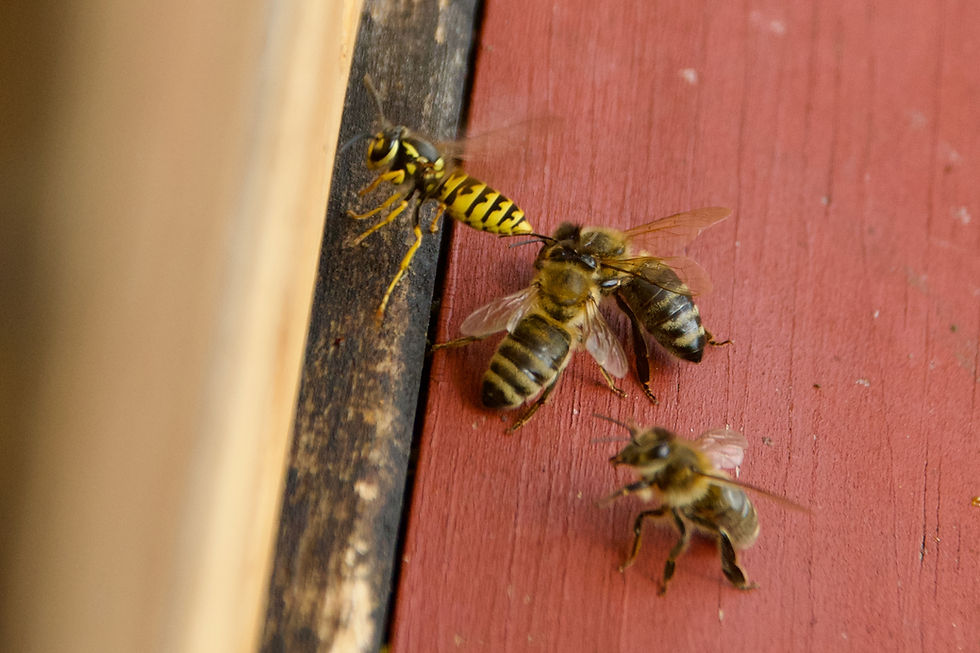
Wasps may also become more active around smaller colonies, splits, or hives with entrances that are too large to defend.
If robbing starts, act quickly. Reduce the entrance right away, cover or remove exposed honey, and avoid opening the hive until the activity settles. A robbing screen can help protect a weaker colony. In serious cases, temporarily covering the hive with a wet sheet may help calm the situation.
Prevention is easier than stopping robbing once it begins. Keep checks short, avoid leaving honey exposed, and match entrance size to colony strength.
Check the Bottom Board and Supers
A quick bottom board check can tell you a lot without opening the brood nest. Look for wax debris, dead bees, pests, moisture, or anything unusual.
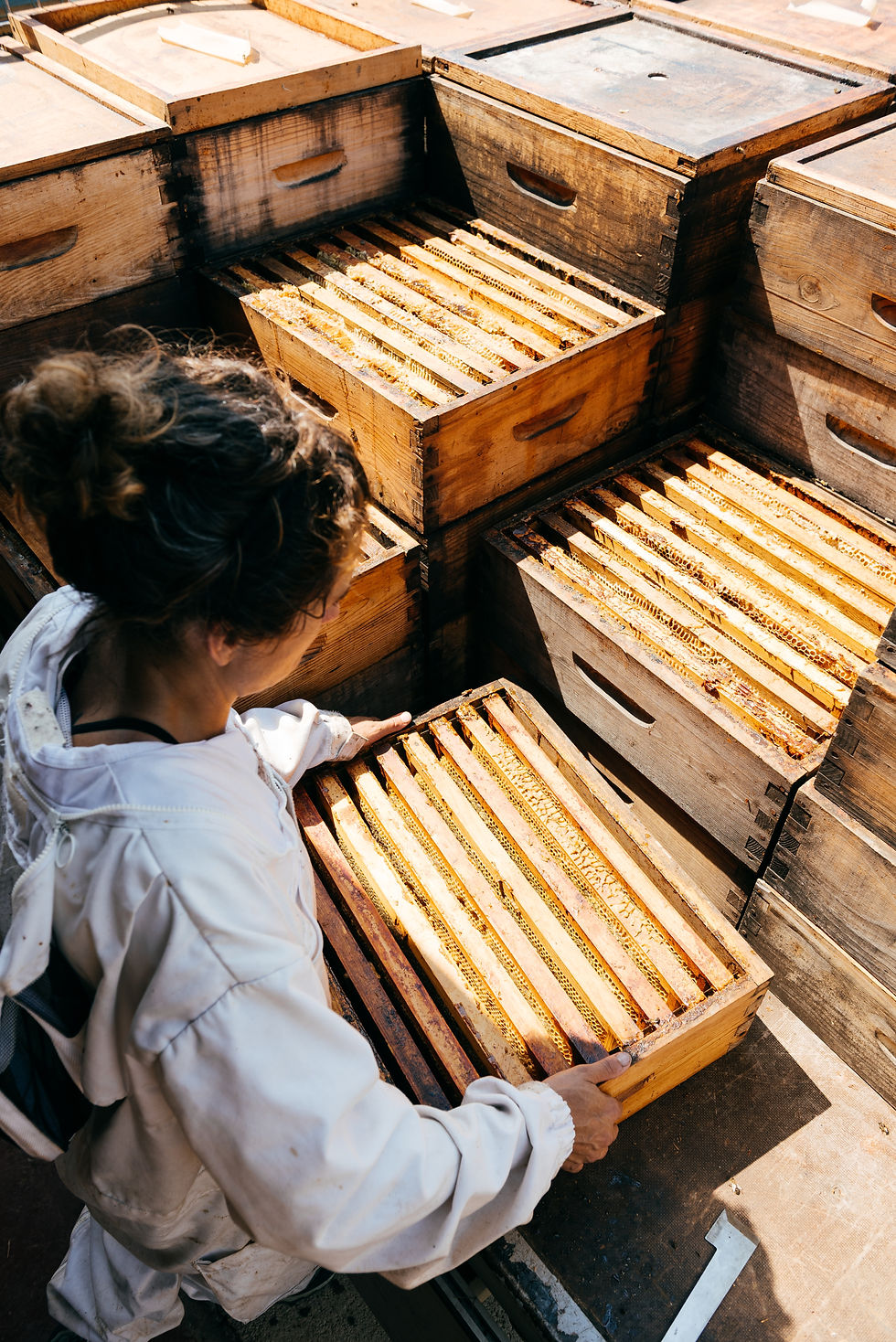
Honey supers are worth watching too. Check whether bees are still working the frames and whether honey is still being filled or capped. If bees are no longer covering or using the space well, make a note for later removal and reorganization.
Watch for Pests Around Weak Colonies
Small hive beetles and wax moths are more likely to become a problem when colonies are weak or comb is left unprotected.
Warning signs include weak flight activity, poor entrance guarding, unusual smells, disturbed wax debris, or repeated pressure from wasps and robber bees.
A strong colony is usually the best defence. The goal is to notice which hives look secure and which ones may need closer attention soon.
Keep Track of Mite Levels
Keep mite records current as the season moves forward.
A hive can look active and healthy while mite levels change in the background. Track mite levels by colony, compare results, and note any changes over time.
Even simple notes help: date, hive number, result, and any action taken.
Read Colony Strength From the Outside
Much can be learned by watching the entrance and comparing colonies.
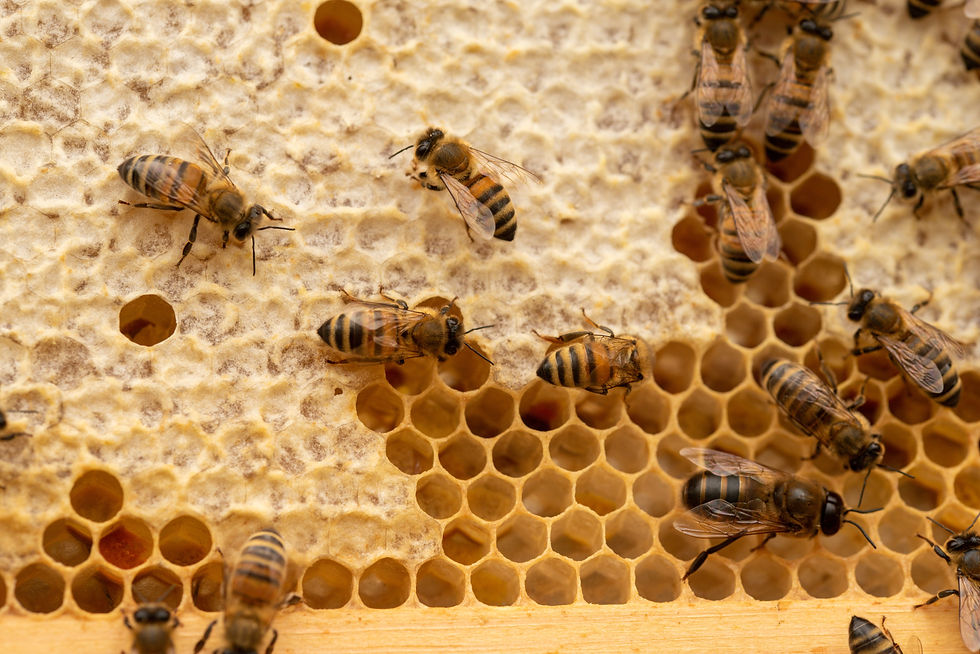
Look for steady forager traffic, pollen coming in, guard bees at the entrance, and calm movement. A strong colony usually has a confident rhythm. A hive that is unusually quiet, being tested by wasps, or showing frantic activity may need a closer look.
For beginners, this habit builds confidence. For experienced beekeepers, it saves time.
August Hive Checklist
Robbing or wasp pressure
Entrance size matched to colony strength
Bottom board debris, moisture, or pests
Honey supers still being worked
Weak colonies that need attention
Pollen and steady entrance activity
Mite levels and mite records
Notes for later inspections
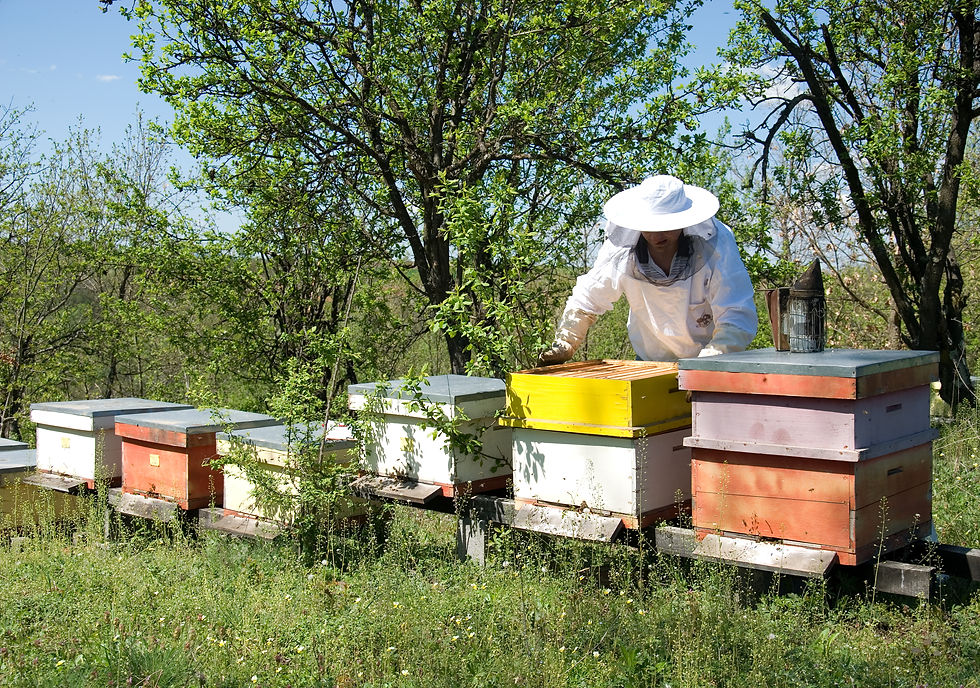
Late summer is a time for careful, observant beekeeping. Watch the entrances, check the bottom board and supers, protect colonies from robbing and wasps, keep records, and note which hives may need extra attention.
The bees are still working, but the priorities are changing. What you notice now can make the next round of inspections much more useful.
Comments