
September in Ontario: Supers Off, Winter Plans Begin

September in Ontario is a month of transition. The days can still be warm and sunny, with bees flying well and working the remaining blooms, but the nights are getting colder and the colony is already responding to the change.
In the August Apiary Notes, we focused on watching entrances, robbing pressure, wasps, bottom boards, and keeping useful records. Those observations still matter, but September moves the work one step deeper into the hive.
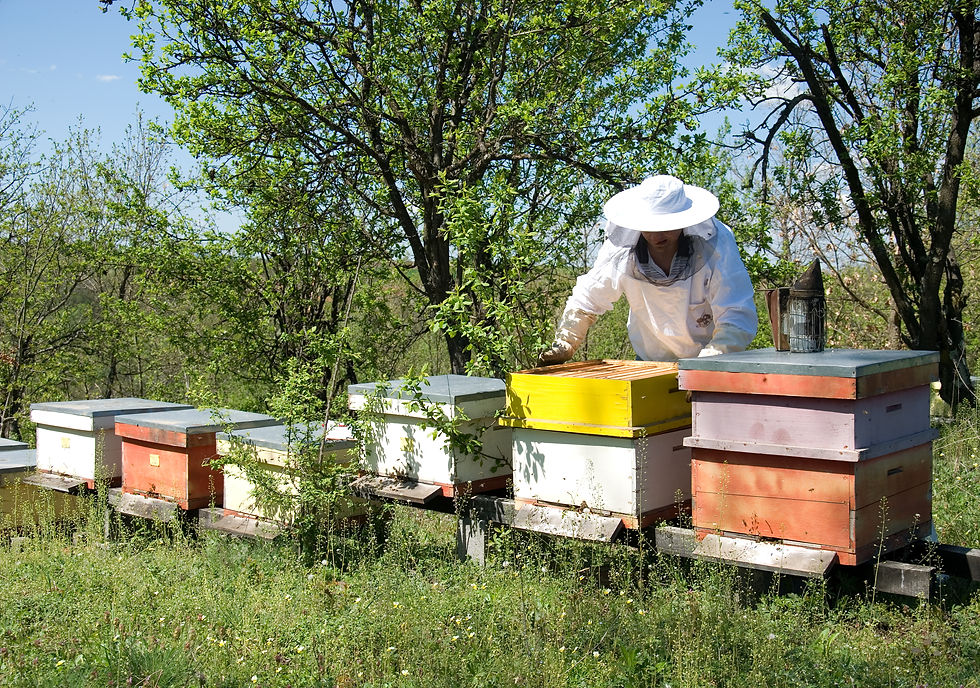
In our apiary, this is usually when honey supers come off. Once they are removed, the colony becomes easier to read: how many bees are there, how well are they covering the frames, what do the food stores look like, and which hives may need support before colder weather arrives?
These field-based notes are practical reminders of what we are watching, what we are adjusting, and what needs to be ready before the October checkup.
September Honey Harvest
In our apiary, honey supers are usually removed at the beginning of September. This timing gives the bees a chance to continue working the remaining blooms and collect additional nectar for the colony after the supers are off.
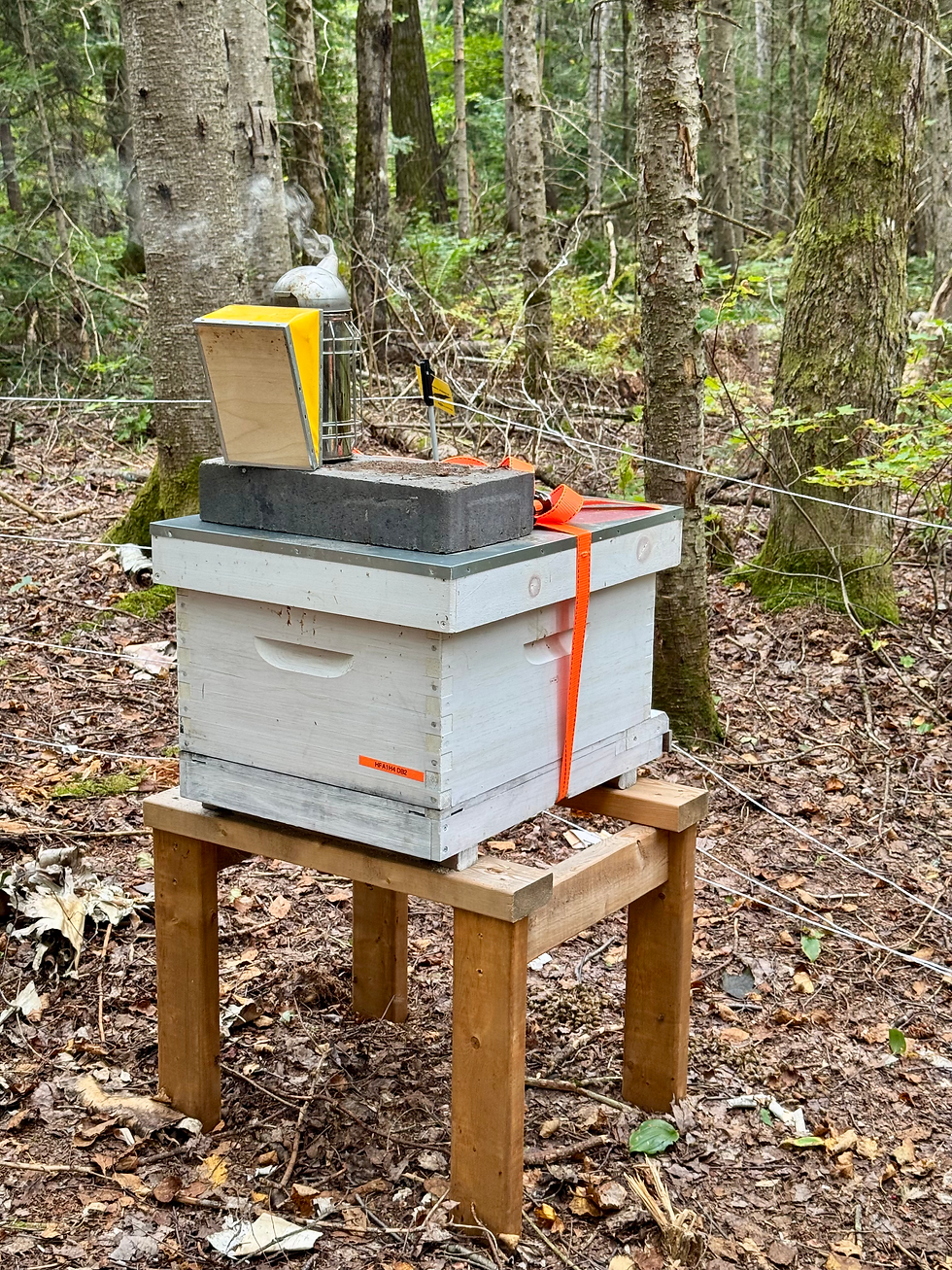
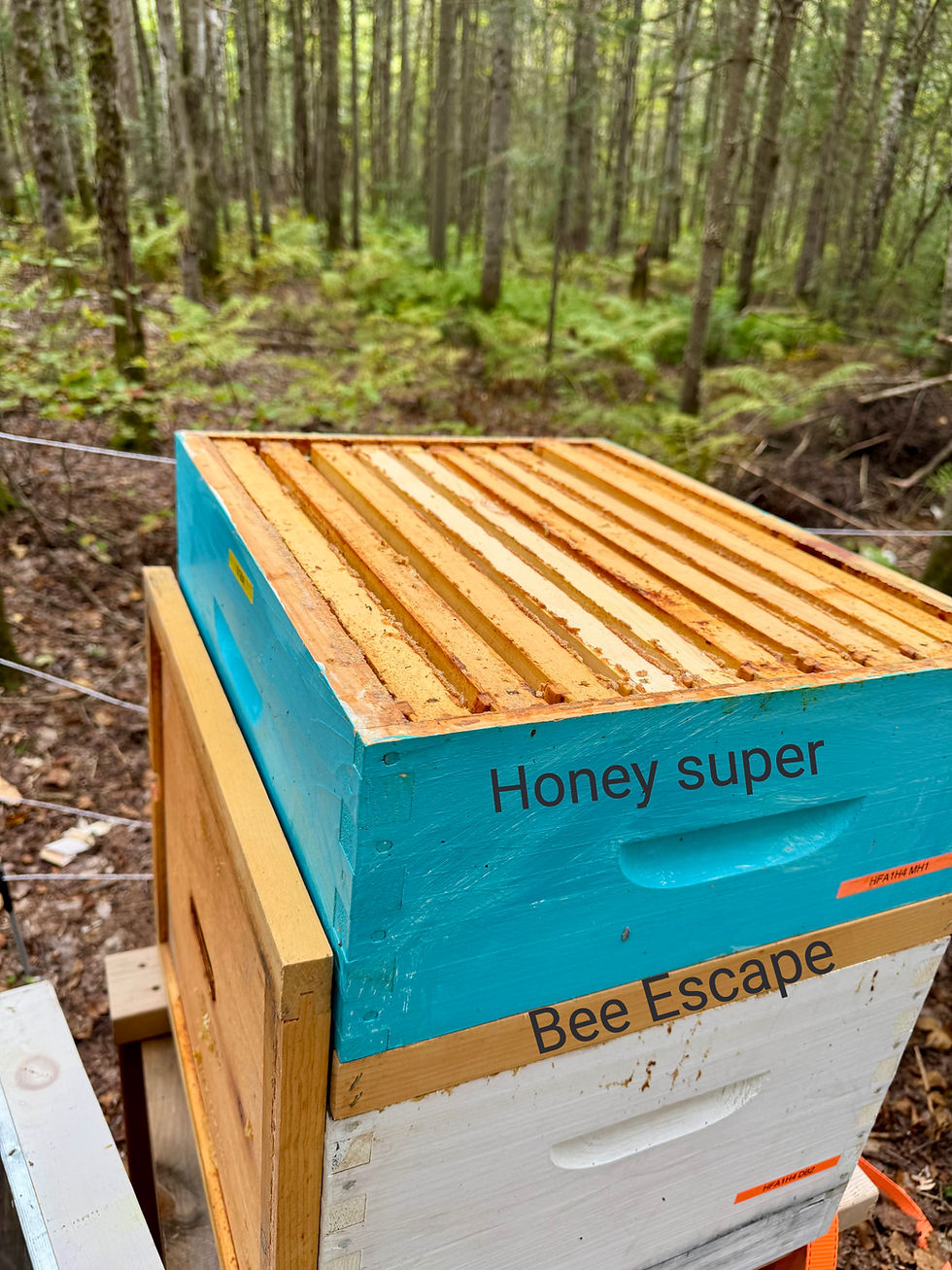
Before removing honey supers, we place a bee escape below them and give the bees a few days to move down into the brood boxes. This usually makes removal calmer and easier, with fewer bees left in the supers.
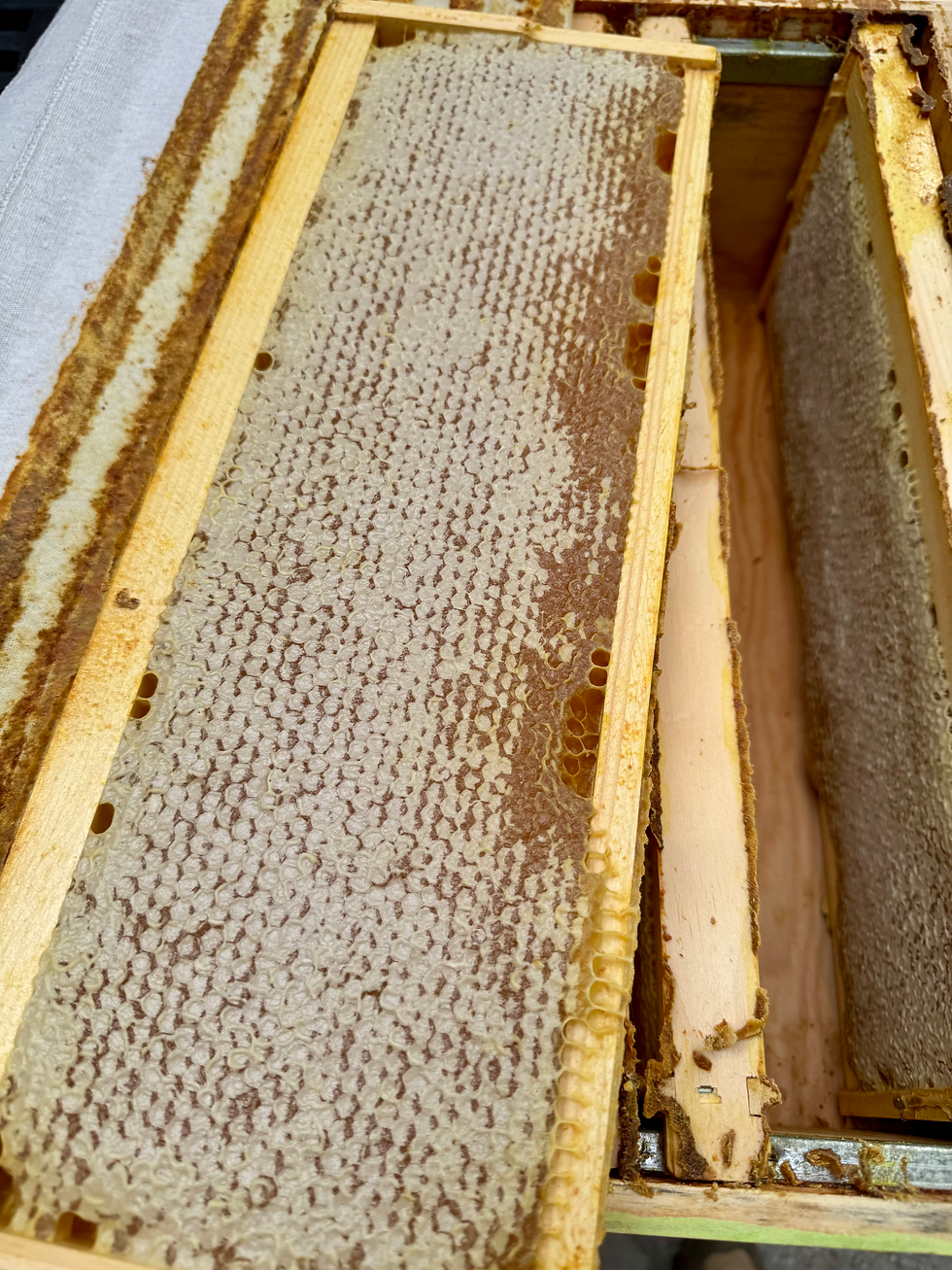
When deciding what to remove, capped honey is the main guide. Frames that are mostly capped are ready. Frames with open nectar may need more time or should be handled separately.
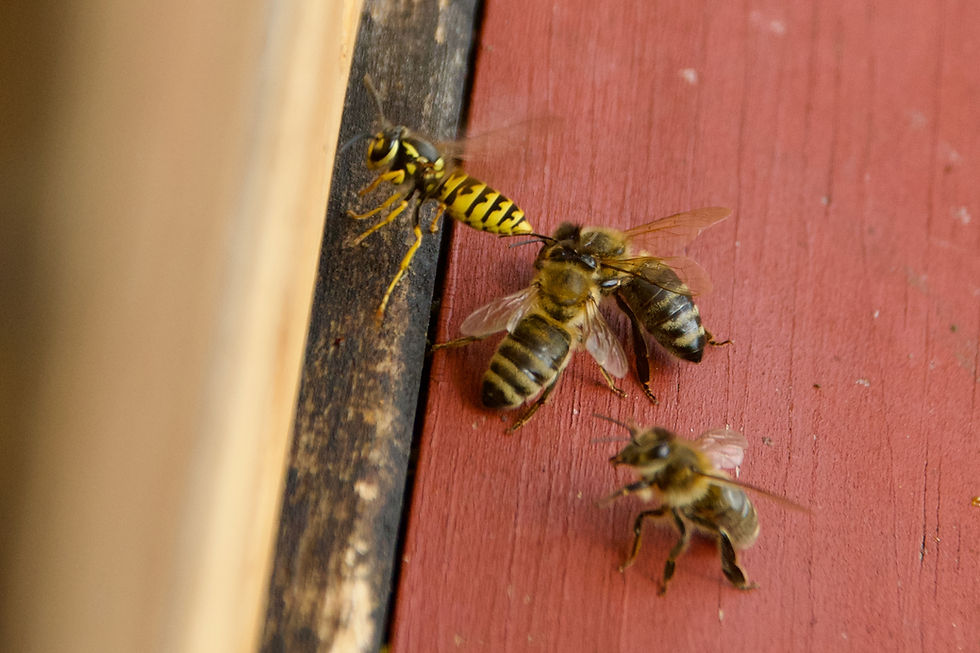
Once honey supers come off, we avoid leaving wet frames, open honey, or equipment exposed in the apiary. As noted in August, exposed honey can quickly bring robbing pressure and wasps back into the yard.
The goal is to remove honey supers cleanly, keep the yard calm, and still leave the bees time to gather what they can from late-season bloom.
Reducing Space After Supers Come Off
Removing honey supers is also the first step in reducing hive space.
This does not mean compressing the colony too aggressively. It means removing surplus honey space that the bees no longer need. As the population starts to decrease, extra boxes can become harder for the colony to guard and manage.
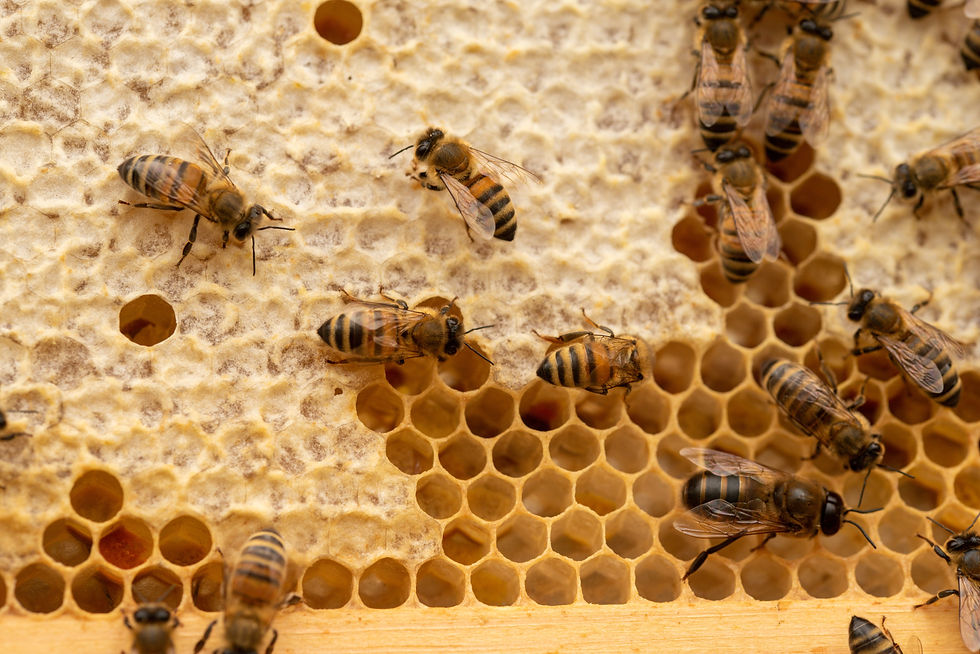
After the supers are removed, we look at how well the bees cover the remaining frames. Strong colonies should still feel organized and well covered. Later splits or smaller colonies are marked for closer attention.
At this stage, the question is simple: does the hive space match the bees that are actually there?
Mite Management Continues
Mite monitoring continues in September.
We use the records started earlier in the season and keep tracking each colony. If mite levels are rising, or if a colony needs attention, action is based on the mite management plan already in place.
After honey supers are removed, it may also be easier to complete follow-up checks or management steps that were planned earlier.
The goal is not to guess. The goal is to use the records, colony condition, and timing to make better decisions.
October Checkup and Overwintering Plan
Good September checks make October work much clearer. After honey supers are removed, each colony should have a clear status: ready, needs support, or needs rechecking.
This is also when the overwintering plan begins to take shape based on the actual configuration of the apiary. Not every hive will go into winter the same way. Full-size colonies, later splits, smaller colonies, and colonies needing support may each need a different setup.
In our apiary, we do not feed hives with sugar. Colonies that are light on food are marked and watched closely, especially later splits that had less time to build winter stores. Reserve honey frames are kept for colonies that need support.
Before the October checkup, we want to know:
Which colonies are ready, need support, or need rechecking
Which winter setup makes sense for each hive based on colony size and configuration
Which colonies are strong, medium, or weak
How well the bees cover the remaining boxes
Which colonies have good stores, are light, or may need reserve honey frames
Which colonies are queenright, uncertain, or need another check
Whether mite records are current and any follow-up is needed
Which colonies should be checked first in October
Whether overwintering inventory is ready for the planned hive setups
September is a month of transition, but also a month of clarity. The honey supers come off, the hive space begins to match the colony, and the beekeeper gets a better picture of what each hive may need before winter.
The better the September check is, the more focused the October checkup and overwintering plan become.
Comments